
Posted
Mon, Jan 12, 2026
AT
11:24 AM AST


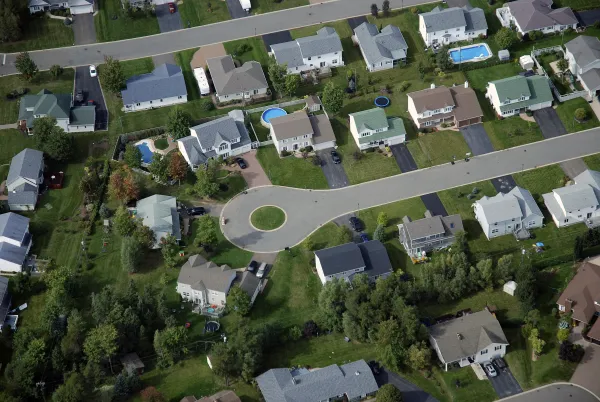
In 2025, the Town of Riverview issued 193 building permits with a total construction value exceeding $99 million. Residential and multi-residential permits dominated development activity, with 84 permits valued at over $92 million, adding 441 new housing units to the community.
“This level of sustained activity reflects Riverview’s strength as a community where people want to live, raise familes, and stay active at every stage of life,” said Mayor Andrew J. LeBlanc. “We’re pleased to see developers responding with a range of housing types to meet market demand. Backed by support from all three levels of government, Riverview is advancing a broad range of residential projects, further strengthening our foundation for long-term growth.”
Riverview is carefully planning to meet the needs of today’s residents while preparing for tomorrow, building on a strong 2024 when 444 new residential units were completed, and continuing to see growth in both housing and commercial development.
“Continued and thoughtful development is essential to sustaining the services our residents rely on," Mayor LeBlanc said. "Investments in housing-related infrastructure will attract talent and businesses, while ensuring future generations are just as proud to call Riverview home as we are today."
Plan360 reported that multi-unit developments topped construction activity, with 346 new units approved. Importantly, the year also saw strong approval numbers for lower-density housing, with 47 semi-detached homes and 37 single-family houses approved, along with eight townhouses and three mobile or mini homes. This balanced mix of housing types supports neighbourhood character, while providing residents with a wider range of housing options to suit different lifestyles and stages of life.
“In 2025, approximately twice as many new subdivision lots were approved compared to last year. Some of these lots will likely become new building lots in 2026, indicating more growth ahead,” said Sam Gerrand, Planner at Plan360. “In 2024, we saw a major investment in community infrastructure through the Riverview Recreation Complex, which accounted for $60 million of the $137 million in building permit valuation. This year, the trend reflects a surge in private investment, signaling confidence in Riverview’s future and setting the stage for continued growth,” Gerrand added.
Commercial development was the second-largest driver of growth after residential construction, with four permits approved in 2025, totaling over $5 million. Commercial permit valuation in 2025 represented nearly 52 times that of the same one-year timeframe in 2024, due to a few major projects such as the Riverview Mall redevelopment. These investments aim to enhance residents’ access to amenities, a significant priority the Town will continue to focus on in the years ahead.
Through the Housing Accelerator Fund (HAF) Action Plan, the Town introduced initiatives such as the Affordable and 3-Bedroom Unit Development Grant and the Garden and In-Law Suite Development Grant. These programs have supported developers and homeowners in creating new rental and accessory dwelling units. Alongside broader market activity, the Town has experienced a net increase of 849 housing units since entering into the agreement with the Canada Mortgage and Housing Corporation.
“We’re seeing the rental vacancy rate rise from 0.7 per cent in 2023 to 1 per cent in 2024, and now 2.9 per cent in 2025, reflecting improved housing availability for our residents,” said Shanel Akerley, Economic Development Manager for the Town of Riverview. “A three to five per cent vacancy rate is generally considered healthy for a rental market, and it’s encouraging to see that Riverview is moving toward that balance, providing renters with more choices while supporting new construction.”
With Town Council’s adoption of the new Municipal Plan and Zoning By-Law on November 10, 2025, the Town continues to guide responsible growth.
“Riverview’s 2025 performance underscores a broader trend: communities that combine proactive planning with the town’s character and values can grow responsibly while delivering tangible benefits for residents and local businesses alike,” said Akerley.