
Posted
Wed, Mar 4, 2026
AT
09:34 AM AST


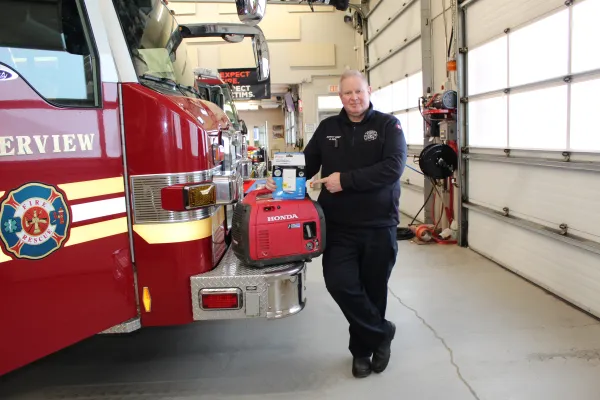
As we look ahead to the early days of spring, now is the time to ensure your home and family are prepared for whatever the season brings.
"March weather can be unpredictable, and that's when we see the most preventable winter emergencies," said Bentley Rice, Deputy Chief of Fire Prevention with Riverview Fire & Rescue.
Whether it's carbon monoxide from generators or blocked vents, space heater fires, or ice-related incidents, a few simple precautions make all the difference.
“We're sharing these reminders now because taking a few minutes to check your alarms, clear your vents, and review safe practices can prevent tragedy. Fire safety isn't complicated, it just requires a bit of attention."
1. Use generators safely
If you're using a generator during a power outage, always operate it outdoors—at least 6 metres (20 feet) away from your home—with the exhaust pointing away from windows, doors, and vents. Never run generators inside homes, garages, sheds, or any enclosed spaces, even with doors or windows open. Generators produce carbon monoxide, an invisible, odorless gas that can be deadly.
Carbon monoxide symptoms include dizziness, headaches, nausea, and confusion. If you experience these symptoms, get outside immediately and call 911.
2. Clear snow from entryways and vents
After a snowfall, clear walkways, steps, and entryways to prevent slips and falls and to ensure emergency responders can access your home. Just as important, check that furnace exhausts, dryer vents, and other exterior vents are clear of snow and ice to ensure proper airflow and reduce the risk of carbon monoxide buildup indoors.
3. Be cautious on ice
With changing weather conditions, ice thickness can vary quickly and unpredictably. Avoid going onto ice that has not been properly checked. Always verify ice thickness before heading out and plan your activity accordingly. When in doubt, stay off it.
4. Use space heaters and electric blankets with care
Keep space heaters at least 3ft away from curtains, furniture, bedding, and other flammable materials. Never leave them unattended or running while you sleep. Turn off electric blankets before you doze off and check cords regularly for signs of fraying, wear, or damage.
5. Check smoke and carbon monoxide alarms
Working smoke and carbon monoxide alarms save lives. Take a few minutes to test alarms in your home, replace batteries if needed, and ensure alarms are installed on every level of your home and near sleeping areas. If your alarms are more than 10 years old, replace them.
By taking these simple precautions, we can all help reduce risks as the seasons shift.